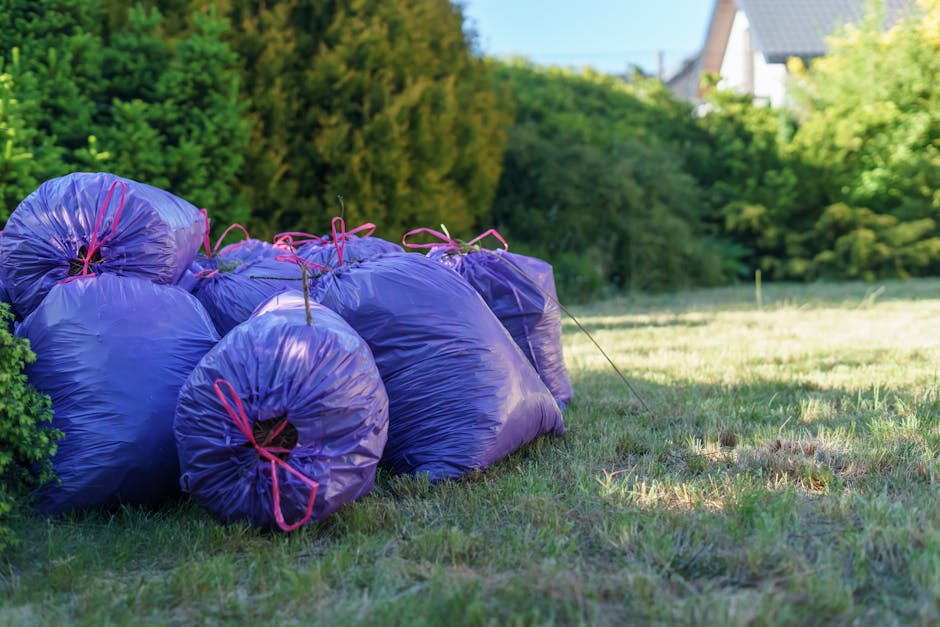
Brent Council Rules for Garden Waste and Gardeners in Kenton
If you garden in Kenton, the rules around green waste can feel oddly specific for something as ordinary as hedge clippings, grass cuttings, and dead leaves. But once you understand how Brent Council rules for garden waste and gardeners in Kenton fit together, the whole thing becomes a lot less confusing. You know what can be collected, what needs separating, what should be taken away by a gardener, and where the common mistakes happen.
That matters whether you are a homeowner trying to keep the bin lids shut, a landlord keeping the back garden presentable, or a gardener who wants to work cleanly and professionally. In practice, the difference between a tidy job and a messy one is often how waste is handled. Let's face it, nobody wants a pile of damp turf sitting on a drive on a windy Friday afternoon.
This guide breaks down the essentials in plain English: the local context, the practical steps, the best habits for gardeners working in Kenton, and the compliance points worth watching. It also includes a checklist, a comparison table, and a realistic example so you can see how this works day to day.
Table of Contents
- Why Brent Council rules for garden waste and gardeners in Kenton Matters
- How Brent Council rules for garden waste and gardeners in Kenton Works
- Key Benefits and Practical Advantages
- Who This Is For and When It Makes Sense
- Step-by-Step Guidance
- Expert Tips for Better Results
- Common Mistakes to Avoid
- Tools, Resources and Recommendations
- Law, Compliance, Standards, or Best Practice
- Options, Methods, or Comparison Table
- Case Study or Real-World Example
- Practical Checklist
- Conclusion
- Frequently Asked Questions
Why Brent Council rules for garden waste and gardeners in Kenton Matters
Garden waste is not just "garden waste." In day-to-day work it can include grass, hedge trimmings, prunings, small branches, weeds, soil attached to roots, and sometimes bulky mixed waste from a clearance job. Councils treat those materials differently from normal household rubbish, and that affects what gardeners can leave behind, what they should bag separately, and what must be taken away through the right route.
For people in Kenton, the practical issue is simple: if waste is not handled properly, gardens look untidy, collections can be delayed, and homeowners may face extra hassle trying to sort it out after the job is finished. A professional gardener should make the waste side of the job feel invisible. That is the ideal, anyway. You finish the hedge, sweep the patio, bag the clippings, and the place looks cleaner than when you started.
The rules matter for another reason too: trust. When a gardener understands local waste expectations, they are less likely to dump material in the wrong bin, overfill a container, or leave the client with a problem that was avoidable in the first place. A good service is not just about cutting and trimming. It is about leaving the site in a compliant, usable state.
Key takeaway: in Kenton, the safest approach is to treat garden waste as a separate part of the job, plan for removal before work begins, and avoid mixing green waste with general rubbish unless it is genuinely unavoidable.
How Brent Council rules for garden waste and gardeners in Kenton Works
The exact way garden waste is managed can vary depending on property type, the scale of the job, and the council service available at the time. That said, the structure is usually straightforward. Light green waste is typically handled differently from heavy, mixed, or contaminated waste. A gardener working in Kenton should think in terms of sorting, storage, loading, and lawful disposal rather than simply "getting rid of it somehow."
Here is the practical flow most jobs follow:
- Assess the material. Is it clean green waste, woody cuttings, soil, or a mixed clearance load?
- Separate waste streams. Keep garden organics apart from plastics, old compost bags, broken pots, timber offcuts, and general rubbish.
- Use suitable containers. Sacks, bins, bulk bags, trailers, or a dedicated clearance vehicle may be appropriate depending on the job size.
- Avoid contamination. Once green waste is mixed with the wrong material, it may no longer be treated as straightforward garden waste.
- Dispose responsibly. Waste should go through the relevant council route, licensed disposal route, or a legitimate green waste solution arranged by the contractor.
In our experience, the jobs that go smoothly are the ones where the waste plan is decided early. A simple lawn cut and light trim might only create a few bags of clippings. But a full border tidy, hedge reduction, and old shrub removal can quickly become a much larger clearance task. If you do not plan for that, you end up improvising. And improvising with wet branches is never as fun as it sounds.
Gardeners also need to think about access. Kenton streets can be busy, and front-garden or side-access jobs can get awkward when waste has to be carried through a house or loaded into a small area. A tidy route in and out saves time and reduces mess on paths, steps, and driveways.
Key Benefits and Practical Advantages
There is a real practical payoff to following the rules carefully. The benefits are not abstract. They show up in the time saved, the cleaner finish, and the fewer awkward conversations later on.
- Cleaner gardens: waste is removed properly, so lawns, patios, and borders are not left cluttered.
- Less risk of collection problems: when materials are separated correctly, they are easier to manage and remove.
- Better for repeat maintenance: regular, well-managed waste removal makes ongoing garden care more efficient.
- Fewer complaints: neighbours are less likely to object when bags, cuttings, and bins are not left sitting around.
- More professional presentation: especially useful for landlords, letting agents, and anyone preparing a property for sale or rental.
There is also a hidden advantage: better planning usually means less physical strain. A gardener who loads waste in stages, keeps paths clear, and avoids repeated lifting of oversized sacks will generally work more safely. That may sound obvious, but the obvious things are often the ones people skip when they are in a hurry.
If you are considering wider maintenance as well, services such as garden maintenance, lawn mowing, and hedge trimming are much easier to manage when waste handling is built into the routine rather than treated as an afterthought.
Who This Is For and When It Makes Sense
This topic matters to a wider group than you might expect. It is not just for large-scale landscaping jobs or full garden clearances. Plenty of smaller, ordinary jobs create waste that still needs the right approach.
Homeowners
If you maintain your own garden, you will need to know what can go in your garden waste container, what should be booked for collection, and what should be taken to a disposal route. That keeps the back garden from turning into a storage area for old branches and half-finished bags of clippings.
Gardeners and landscapers
For professionals, the issue is part service quality and part compliance. A gardener who works in Kenton should know how to plan around green waste, especially after hedge reductions, border clearance, or seasonal cutbacks. If you offer broader services, it helps to integrate waste handling with landscape gardening or landscaping projects from the start.
Landlords and property managers
Rental properties can become a headache if cuttings or waste are left behind between tenancies. A quick tidy is one thing; a forgotten pile of mulch bags and dead ivy is another. Proper clearance protects presentation and avoids those slightly embarrassing "who is dealing with this?" moments.
People booking one-off clearances
Sometimes the issue is not maintenance at all, but a single overgrown garden that needs sorting in one go. In those cases, a dedicated garden clearance approach is usually the cleaner, safer option.
When it makes sense: as soon as the job is bigger than a couple of bin bags, or when green waste and general waste are starting to mix, it is time to plan properly.
Step-by-Step Guidance
If you want a clean, low-stress process, the best approach is to break it into simple stages.
- Walk the site first. Look at the size and type of waste before any cutting starts. A quick visual check can save an awful lot of guesswork.
- Decide what counts as green waste. Grass, leaves, soft hedge cuttings, and small prunings are usually straightforward. Mixed rubbish is not.
- Choose the removal method. Small jobs may suit bins or sacks, while larger work may need a trailer or dedicated load-out.
- Keep materials separate as you work. Put woody waste in one area, soft cuttings in another, and anything non-organic away from both.
- Protect surfaces and access points. Use careful carrying routes so soil, sap, and debris do not end up across paving or indoors.
- Load waste safely. Avoid overfilling bags. Heavy sacks look efficient for about five seconds, then they become awkward and, frankly, a bit silly.
- Finish with a proper sweep. Check paths, corners, under hedges, and behind planters where clippings collect.
- Confirm disposal. Make sure the waste leaves the site through the intended route, not into the nearest general bin by default.
A small but useful habit is to pause halfway through a job and check the volume of waste created. Hedge work, especially, often produces more than people expect. One minute the shrub looks neat; the next there are three mounds of green material and a half-hidden pile of twigs. It happens.
Expert Tips for Better Results
Good waste management is partly about discipline and partly about reading the job correctly. A few habits make a real difference.
- Cut and clear in sections. Do not wait until the end of a large job to deal with all the waste at once. Smaller clear-ups are easier to move and less likely to get crushed or spread.
- Use the right sack size. Oversized bags are tempting, but they are harder to carry and easier to tear.
- Mind wet weather. Damp grass and soggy leaves weigh far more than they look. A mild drizzle can turn a light load into a small wrestling match.
- Separate woody material early. Branches and thicker hedge trimmings are often better handled apart from soft green waste.
- Think about the final finish. If waste handling is tidy, the whole garden feels calmer and more intentional.
- Use maintenance schedules. Regular care usually creates smaller, more manageable waste volumes than letting everything build up.
If you are combining waste management with ongoing care, services like recycling and sustainability can help shape a more sensible approach to disposal and reuse. That is especially useful if you want a garden routine that feels less wasteful overall.
Truth be told, the best gardeners are often the ones who seem almost boringly organised at the end of a job. Every pile is in the right place, every path is swept, and there is no mystery mound by the side gate. Boring is good here.
Common Mistakes to Avoid
Most issues come from a handful of avoidable errors. If you spot them early, the job gets easier straight away.
- Mixing waste types: green waste mixed with plastic pots, broken fencing, or old household rubbish can complicate disposal.
- Overfilling containers: heavy or bulging sacks are awkward to move and may split en route.
- Leaving waste on site too long: it gets in the way, dries out in strange shapes, and can make the garden look half-finished.
- Ignoring access issues: narrow passages, steep steps, and tight side paths need planning.
- Assuming every garden job is small: pruning jobs can create a surprising amount of material.
- Forgetting weather impact: wind can spread light clippings; rain can make waste much heavier.
One of the less obvious mistakes is treating waste management as separate from the rest of the service. It is not separate. It is part of the service. If a gardener delivers a beautiful trim and then leaves three untidy piles behind, the overall result feels unfinished. A bit frustrating, really.
Tools, Resources and Recommendations
You do not need fancy equipment to handle garden waste well, but the right basics make things smoother.
- Strong garden sacks: useful for clippings, leaves, and small cuttings.
- Wheelbarrow or garden trolley: helps move material without repeated lifting.
- Tarpaulin sheets: handy for collecting and dragging waste to a loading point.
- Rake and broom: the final sweep matters more than people think.
- Pruning shears and loppers: useful for reducing bulky material before collection.
- Gloves and protective footwear: basic but important, especially around sharp branches and damp ground.
If you are planning a broader tidy-up, it can help to review the full range of local services first. A quick look at the services overview is often the simplest way to decide whether you need routine maintenance, one-off clearance, or a more involved landscaping job.
For businesses and residents who care about how work is carried out, it is also worth checking practical policies like health and safety, insurance and safety, and terms and conditions. They are not glamorous reading, no, but they do tell you a lot about how a service is run.
Law, Compliance, Standards, or Best Practice
When garden waste is involved, the sensible standard is to follow lawful waste handling practice and keep a clear record of what happened to the waste where needed. You do not need to turn a garden tidy into a legal seminar, but you do need to avoid careless disposal.
In UK practice, a gardener or contractor should be careful about:
- Duty of care: waste should not be passed on casually without a clear, legitimate disposal route.
- Waste separation: organic garden material should not be contaminated with general rubbish if it can be avoided.
- Site safety: bags, branches, tools, and trailers should be handled so they do not create trip hazards or block exits.
- Nuisance prevention: waste should not be left in a way that creates mess, odour, pests, or neighbour complaints.
Best practice is usually common sense done properly. Keep the job tidy. Keep the waste identifiable. Keep movement routes safe. And if a load is too large or awkward for a standard bin approach, choose a better method rather than forcing it.
For more formal or recurring work, professional standards also include being transparent about how waste is handled, how pricing is structured, and what is or is not included. That is one reason clear service information matters. If you are comparing providers, pricing and quotes can be a useful starting point, even if the final cost depends on access, volume, and disposal needs.
Options, Methods, or Comparison Table
Different jobs call for different approaches. A quick comparison helps make the choice less guessy.
| Method | Best for | Strengths | Limitations |
|---|---|---|---|
| Council-style green waste collection | Routine garden clippings and manageable volumes | Simple for regular household maintenance | May be limited by volume, timing, or contamination rules |
| DIY bagging and bin use | Small tidy-ups and light pruning | Low cost, easy to organise | Can become awkward with heavy or bulky waste |
| Contractor removal | Medium to large maintenance jobs | Convenient, efficient, less physical strain | Depends on access and service scope |
| Full garden clearance | Overgrown gardens, end-of-tenancy work, renovation prep | Best for larger volumes and mixed site work | Needs the clearest planning and sorting |
If the garden is simple and the volume is low, DIY collection can work fine. If the waste is bulky, wet, or mixed with old garden debris, a professional approach is usually more practical. There is no prize for making it harder than it needs to be.
Case Study or Real-World Example
Imagine a semi-detached house in Kenton with a front hedge, a small rear lawn, and a border that has been left for a season or two. The homeowner wants the garden brought back into shape before visitors arrive at the weekend. The job includes hedge trimming, clearing dead growth, mowing the lawn, and removing a few bags of old weeds and clippings.
At first glance, it looks like a half-day job. Then the hedge comes down, the border is opened up, and suddenly there is more waste than expected. A sensible gardener would not just keep cutting and hope for the best. They would separate the hedge cuttings from the softer waste, keep the path clear, and load the material in stages. The lighter green waste goes into sacks; the woody material is bundled separately; the final sweep catches the stray leaves around the patio.
The end result is not just a neat garden. It is a garden that feels usable again. No loose piles. No awkward bags left by the side gate. No "we will sort that later" energy hanging around the place. The homeowner can walk out the back door and actually enjoy the space, which is the point, after all.
That is exactly the sort of result good waste planning supports. It is not dramatic, just quietly effective.
Practical Checklist
Use this checklist before, during, or after a garden job in Kenton.
- Identify the main waste types before starting.
- Separate green waste from mixed rubbish.
- Check access routes for bags, bins, or wheelbarrows.
- Use strong containers that suit the volume.
- Do not overfill sacks or bins.
- Keep paths, steps, and drives clear while working.
- Bundle woody cuttings if needed.
- Account for wet weather and extra weight.
- Finish with a full sweep of borders, patios, and side paths.
- Confirm how and where the waste is being removed.
- Review whether the job needs ongoing maintenance or a one-off clearance.
Quick reminder: the cleaner the sorting, the easier the disposal. Most waste problems start as sorting problems.
Conclusion
Brent Council rules for garden waste and gardeners in Kenton are much easier to deal with once you stop thinking of waste as an afterthought. It is part of the job, part of the finish, and part of the impression your garden leaves behind. Whether you are handling a small seasonal tidy or a full clearance, the same principles apply: separate the material, plan the removal, keep the site safe, and avoid mixing waste unnecessarily.
For homeowners, that means less clutter and fewer collection headaches. For gardeners, it means a more professional service and fewer avoidable problems on site. For landlords and property managers, it means better presentation and fewer awkward follow-ups. Simple, really. Not always easy, but simple.
If you want help with tidy, reliable garden work in the local area, it is worth choosing a team that understands both the practical and compliance sides of the job. That balance makes all the difference when the garden is busy, the bags are full, and the weather is doing its usual British thing.
Get a free quote today and see how much you can save.
And if you are just planning ahead for the next cut, that is fine too. A little preparation now tends to make the whole season feel calmer later.
Frequently Asked Questions
What counts as garden waste in Kenton?
Garden waste usually includes grass cuttings, hedge trimmings, leaves, weeds, small branches, and other organic material from routine garden work. Mixed rubbish is different and should not be treated as simple green waste.
Can a gardener leave garden waste in the bin?
Sometimes, but only if the material is suitable for that route and the amount is manageable. A good gardener should check the best disposal method before assuming the household bin is enough.
Do Brent Council rules affect private gardeners?
Yes, in practice they do. Even when a gardener is working for a private client, waste still needs to be handled properly and disposed of responsibly. The council rules shape what is acceptable in local waste management.
What is the safest way to deal with a large hedge cut?
Separate the cuttings as you go, bundle thicker branches, and avoid overloading bags. For larger jobs, a dedicated clearance approach is usually more practical than trying to squeeze everything into household containers.
Is garden waste the same as general household waste?
No. Garden waste is usually treated differently because it is organic and often handled through separate collection or disposal routes. Mixing it with household rubbish can create problems.
How often should garden waste be removed?
It depends on the size of the garden and how much work is being done. Regular maintenance usually creates smaller loads, while seasonal cutbacks or one-off clearances may need immediate removal.
What should I do with soil, roots, or turf?
These materials are heavier and can be treated differently from light green waste. It is best to sort them separately and plan for removal as part of the wider job rather than leaving them in mixed bags.
Do I need a professional for garden waste removal?
Not always. Small, routine jobs can often be handled by the homeowner. But if the volume is large, access is awkward, or the waste is mixed, a professional service is usually the easier option.
Why does my gardener care so much about sorting waste?
Because it affects safety, efficiency, disposal, and the final look of the garden. Sorting also helps avoid contamination, which can make waste harder to remove properly. It is one of those unglamorous things that matters a lot.
Can garden waste be reused or recycled?
Often, yes. Some green waste can be composted, mulched, or otherwise repurposed depending on the material and the project. A recycling-minded approach is usually better for both the garden and the wider environment.
What is the difference between garden maintenance and garden clearance?
Garden maintenance is usually ongoing care such as mowing, trimming, and light tidy-ups. Garden clearance is broader and is used when the space is overgrown, cluttered, or needs a more complete reset.
How do I know if a quote includes waste removal?
Ask directly. A clear quote should explain whether waste removal is included, what volume is covered, and whether there are extra charges for larger or mixed loads. That kind of clarity saves hassle later.